

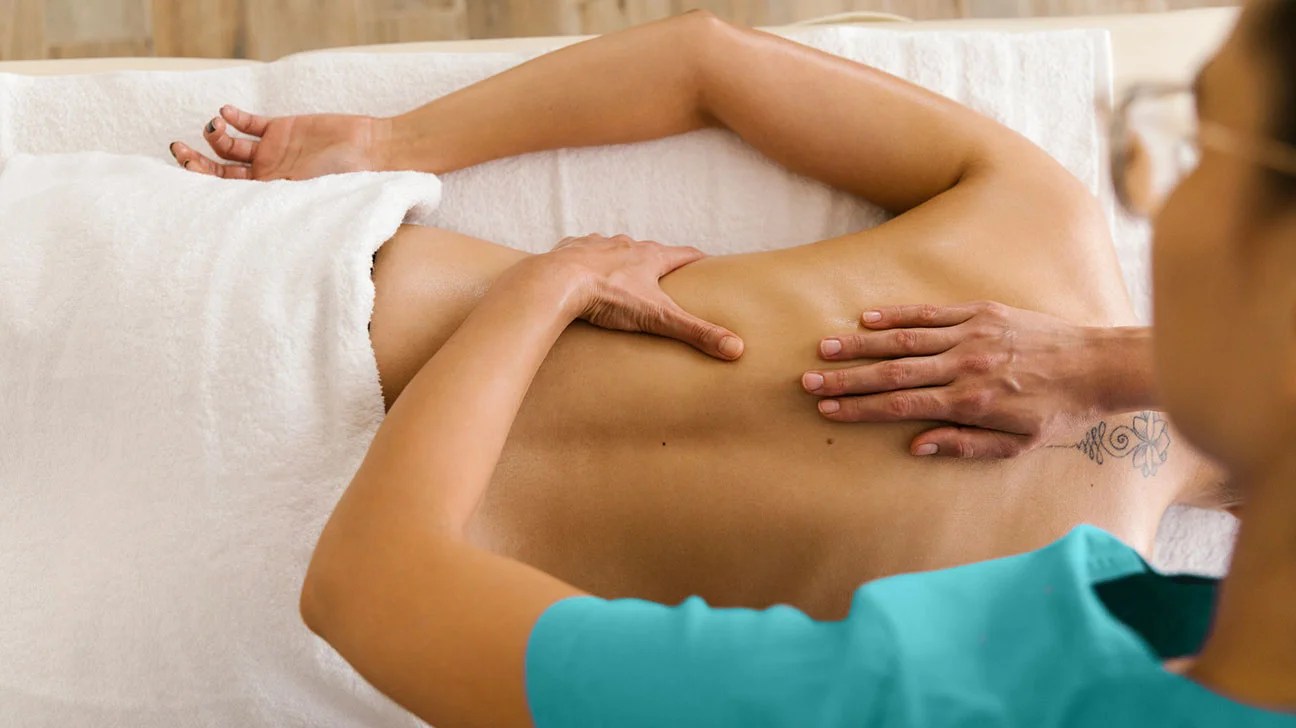
Massage services have become a highly favored way to promote relaxation, relieve stress, and enhance general wellbeing. These treatments encompass a variety of techniques and styles designed to meet personal requirements, ranging from healing sessions aimed at chronic pain to pampering sessions aimed purely at enhancing comfort and tranquility. The growing recognition of massage therapy as a important part of holistic health has created a broad selection of services offered to clients, highlighting the importance of understanding what professional massage services entail and how they can positively impact overall health.
At its heart, massage therapy involves the manipulation of muscle tissues—muscles, tendons, ligaments, and connective tissues—through pressure, kneading, stroking, or other hand movements. This manual manipulation can aid ease muscle stiffness, increase blood circulation, and encourage detoxification. The noticeable outcomes often comprise less discomfort, greater suppleness, and improved range of motion, which are particularly valuable for people with injuries or managing chronic conditions like arthritis or fibromyalgia.
Beyond the physical advantages, massage services also significantly contribute in emotional balance by lowering cortisol levels while increasing levels of serotonin and dopamine. These effects can improve emotional state, calm nerves, and help regulate sleep. For many clients, a massage is not just a comfort experience but a necessary part of maintaining mental balance and maintaining a balanced lifestyle. The calming environment, gentle touch, and focused attention provided by skilled therapists create a peaceful escape, allowing clients to relax deeply and recharge.
The diversity of massage techniques is one of the main factors massage services can be adapted for different requirements. Swedish massage, one of the most common forms, uses long, gliding strokes and light to moderate pressure to foster relaxation and ease muscle tension. Conversely, deep tissue massage uses firmer pressure to reach deep muscle layers, perfect for chronic pain relief and recovery from injuries. Other specialized forms include sports massage tailored for athletic preparation and faster healing and hot stone massage, which combines heat with pressure to soothe muscles and improve circulation.
In addition to these popular techniques, many spas and wellness centers now offer combined therapies including 서현출장안마 alongside aromatherapy, reflexology, and Reiki. These holistic practices focus not only on the entire person including emotional and spiritual health. An example is aromatherapy massage, which combines essential oils with massage techniques to enhance mood, reduce headaches, or aid respiratory health.
The professionalism and qualifications of massage therapists are critical in ensuring safe and effective treatments. Licensed practitioners typically undergo extensive training in anatomy, physiology, and various massage techniques. They assess each client’s individual needs, including any medical conditions or contraindications, before customizing a session. This personalized approach helps maximize the benefits of massage therapy while minimizing any risks.
In recent years, the convenience improved as mobile massage professionals now visit clients at home or work. This convenience allows individuals with busy schedules or mobility challenges to enjoy the benefits of massage without the need to travel. Additionally, many businesses now incorporate on-site massage as part of employee wellness programs, recognizing its potential to reduce workplace stress and improve productivity.
Overall, massage services offer a variety of advantages far exceeding basic relaxation. Whether used as a way to treat pain, relieve anxiety, or support whole-body wellness, massage can significantly contribute to improving quality of life. With its broad styles and rising recognition in health fields, massage therapy is a crucial part of maintaining physical, mental, and emotional health.