

Opening Reflection: Why the Box Matters
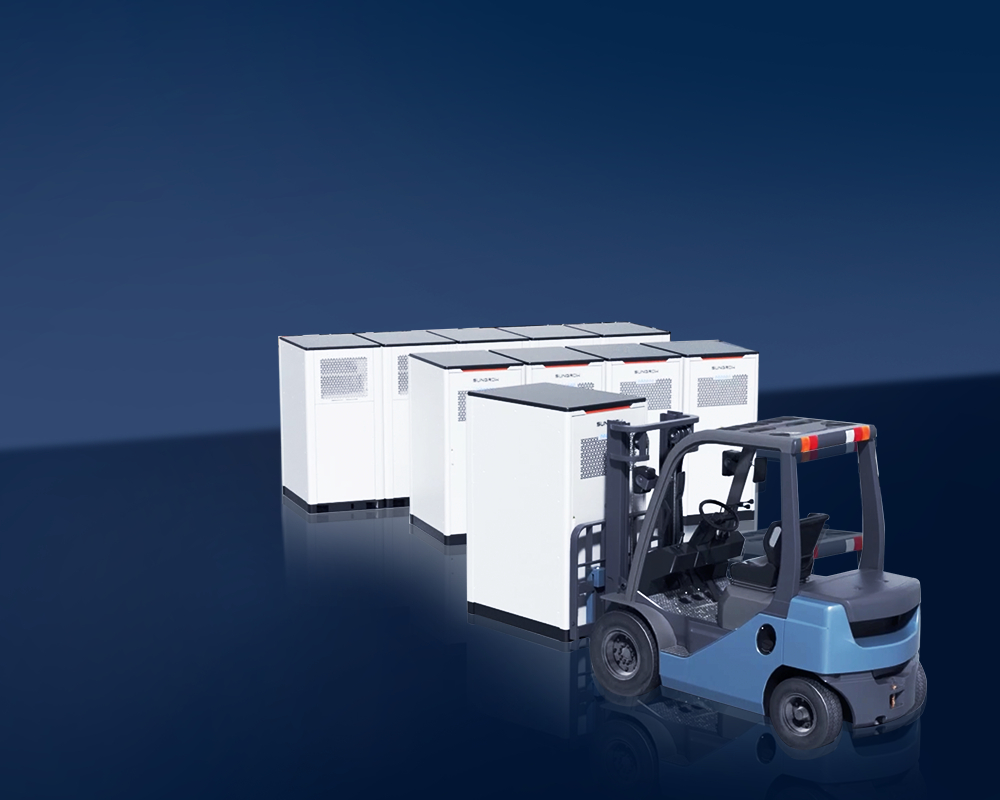
Have you ever wondered why a humble enclosure can decide a grid’s fate? I begin with that question because, in my fifteen-plus years moving gear across ports and rooftops, I have seen an outdoor power cabinet turn from a mere shelter into a strategic device. Early in my career I stood beside a storm-battered site and watched a badly ventilated unit fail under load—last summer the backup system dropped 18% capacity during a 48-hour outage; what then would you trust? I mention powerstack 255cs because its design often shows how design decisions translate into uptime, and how the pile of steel and electronics becomes policy in the field.
What recurring pain did I see?
I will be frank: most installers (ami bolchi) treat the box as secondary. Cable routing is sloppy, thermal management is an afterthought, and the BMS is boxed off from routine inspection. I recall commissioning a telecom hub near Khulna in March 2023 where the inverter overheated within three weeks because ventilation was obstructed during civil work—the meter read 1,200 kilowatt-hours that month; we lost the equivalent of two days’ worth of service. That taught me that the true problem is not just hardware quality but the hidden user pain: inaccessible service points, ambiguous alarm logs, and unclear maintenance contracts. (Yes—I still think about that night shift.)
So I set the load down and look ahead —
Technical Forward View: What Comes Next for Deployments
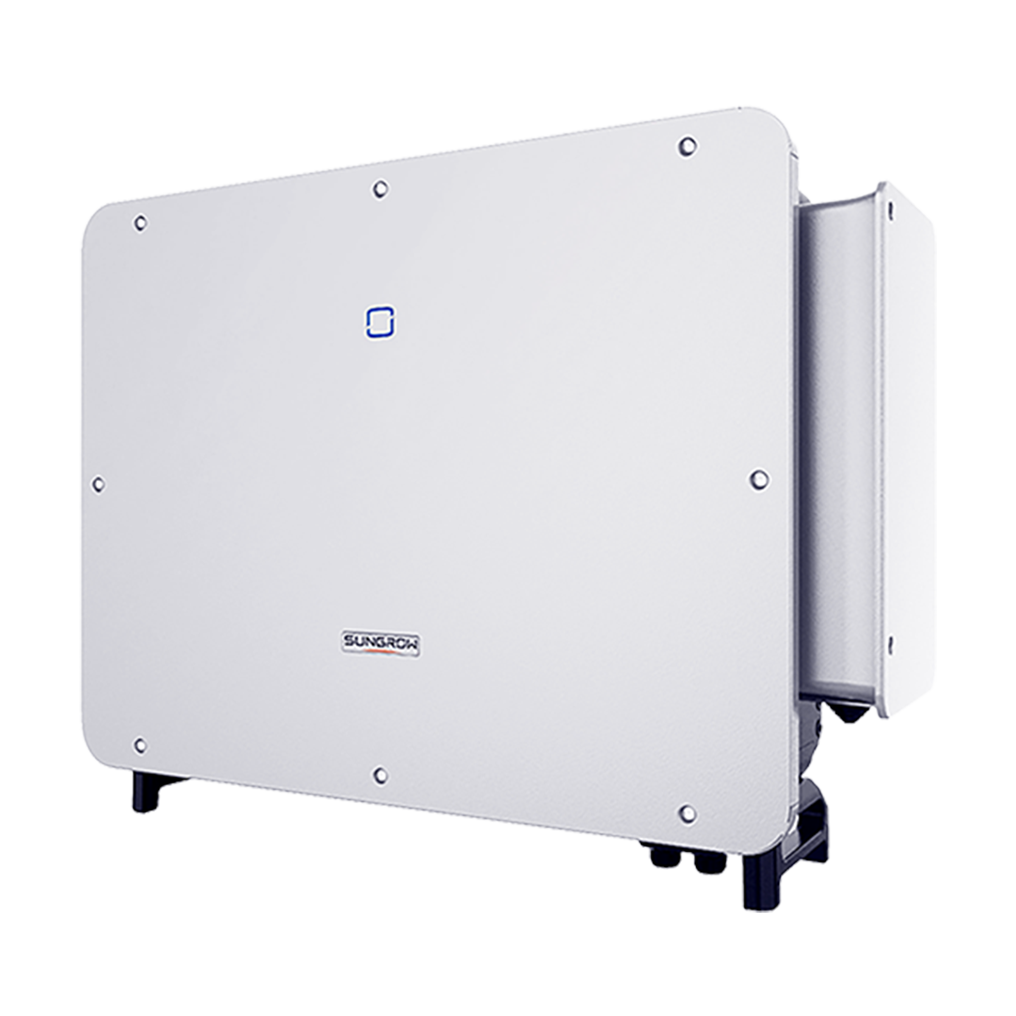
Now, let me break down what a modern outdoor power cabinet must deliver. At its core, the cabinet houses batteries, an inverter, and a BMS; but that is only the start. For wholesale buyers and system integrators, I measure units by thermal management capability, serviceability (ease of swap for modules), and clear telematics. The outdoor power cabinet that we commissioned in a coastal microgrid last December illustrated this: integrated cooling kept cell temperatures within a 6°C band under a 60% depth-of-discharge cycle, and rapid-access panels reduced field swap time from three hours to under 45 minutes—small changes, big operational gains. I hesitated — then insisted we document the procedure. Results followed.
What’s Next?
I argue for comparative procurement: look beyond headline kilowatt-hours and compare mean-time-to-repair, ingress protection, and telemetry openness. In sites where salt, dust, and theft are real threats (I managed two such depots in 2021), a cabinet’s physical security and conformal coatings mattered more than extra capacity on paper. Compare SOC reporting granularity, the BMS firmware update pathway, and whether the inverter supports grid-forming or only grid-following modes. These technical distinctions change lifecycle costs—sometimes by tens of percent across ten years.
Practical Guidance for Wholesale Buyers
I write this as someone who has signed purchase orders in Dhaka, overseen rooftop installs in Kolkata, and walked clients through outage after-action reports. Choose by three clear metrics: measurable serviceability (access time for module swap), thermal resilience (operational temp window and cooling watts), and telemetry openness (API access, event logs, and alarm fidelity). Evaluate warranty scopes by actual field examples—ask for a case where the vendor replaced cells after a flood. Do not be fooled by nominal capacity; ask how many usable cycles at 80% discharge the pack will sustain in your climate. One more note: insist on on-site commissioning within 30 days of delivery—delays cost money.
In closing, I remain pragmatic and hopeful—hardware is only as good as the people who specify and maintain it. The next decision you make about an outdoor power cabinet will not be a leap of faith if you test for repair time, thermal control, and telemetry. I have seen choices save operators thousands of dollars annually—so choose with care. Sorry—one more aside: document everything. Finally, for a reliable partner, consider sungrow.